Designing the perfect custom closet shelf layout can transform your storage space into an organized and efficient haven. A well-planned closet not only maximizes the available area but also makes it easy to find what you need, saving both time and frustration. To achieve this, careful planning and attention to detail are essential. Here’s a step-by-step guide to help you create a functional and aesthetically pleasing custom closet shelf layout.
Start by assessing your storage needs. Take inventory of everything you plan to store in your closet—clothing, shoes, accessories, or miscellaneous items—and categorize them based on size and frequency of use. This will give you a clear idea of how much space each category requires. For example, long dresses or coats will need tall hanging sections, while folded sweaters or jeans can be stored on shelves with medium spacing.
Once you’ve assessed your needs, measure the dimensions of your closet space carefully. Note the height, width, depth, and any irregularities like slanted ceilings or protruding walls that could affect the design. Use these measurements as a foundation for creating an accurate plan that optimizes every inch of available space.
Next comes designing the layout itself. Divide your closet into zones based on function—for instance, dedicate find out more one section for hanging clothes and another for shelving units or drawers. Adjustable shelves are highly recommended because they allow flexibility as your storage needs change over time. Consider varying shelf heights to accommodate different items; taller spaces work well for handbags or boots while shorter ones suit shirts or smaller boxes.
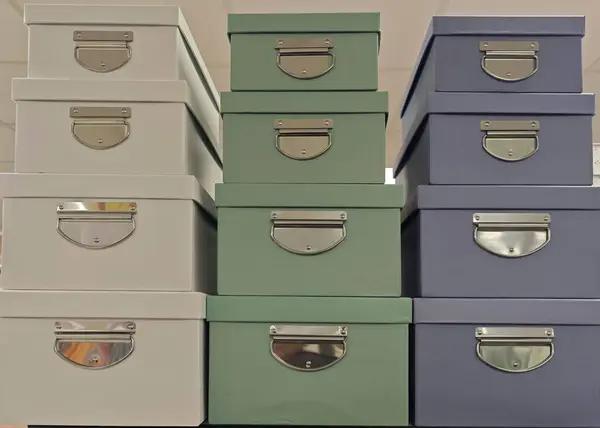
Incorporate smart organizational tools such as dividers and bins to keep smaller items tidy within their designated areas. Labeling these containers adds an extra layer of organization so everything has its place without guesswork involved later on.
Don’t forget about lighting!